


Period bets isolate twenty minutes — and the line move that comes with them
The cleanest hockey ticket I’ve cashed in the last two years was a third-period over on a Devils-Hurricanes game tied 2-2 at the second intermission. The line was 1.5 with the over at 1.95. The third period produced four goals. The reason it landed had nothing to do with luck and everything to do with the fact that period markets close a twenty-minute window into a single bet, and a single window is much easier to model than a sixty-minute one.
NHL period betting covers markets on the outcome of a single twenty-minute period rather than the full match. The main options are first period moneyline, period total over/under and period winner. Each settles independently on what happens in that specific twenty-minute window. Period markets are available pre-game for the first period and live for the second and third, and they’re listed across every UK book that carries the NHL.
The reason I trust period bets more than full-game bets for certain reads is sample size and noise reduction. A twenty-minute period contains roughly 600 to 700 shot attempts of game state across both teams. The variance is high inside a single period — anything can happen in twenty minutes — but the underlying pace and shot quality are stable enough to make the market pricable. The book’s full-game total has to absorb three of these windows plus the chance of overtime. The period total only has to price one.
First period: the shift schedule and where it bites
First period markets are the most popular period bets in the UK, because they’re available pre-game and because they’re built around the part of the match where teams behave most predictably. Coaches deploy their top lines first. Goalies are fresh. Special teams haven’t kicked in yet. The first ten minutes are nearly the cleanest hockey of the night.
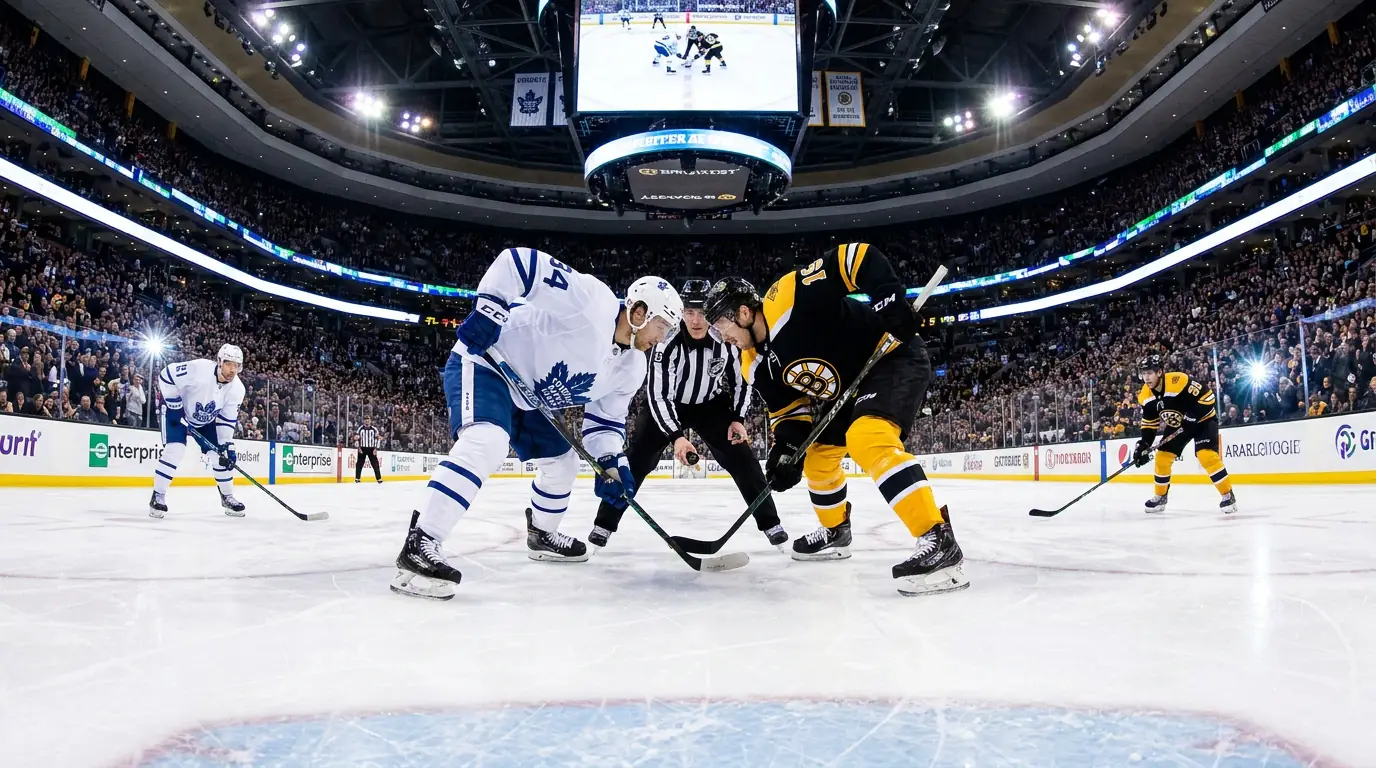
That makes first period totals easier to read. A 1.5 first period total on a high-event matchup with two strong top lines posts at around 1.90 over, and that price is usually defensible. The reason: the matchup-up of first-line wingers against second-pair defencemen produces above-average shot quality. If both teams start their best players, the over has a structural lean.
First period moneyline asks who scores more in the first twenty minutes. Tie option included. The Tie is the most likely outcome on a typical NHL first period because the rate of scoreless or 1-1 first periods is high. UK books price the Tie on first-period moneyline around 2.20 to 2.50, which is implied at 40 to 45%. The Tie wins a lot of first periods, but not enough to make it a default play — the price reflects that.
The shot-quality data underneath all of this matters. The fastest recorded shot in the 2024-25 NHL season was Tage Thompson at 106 mph for Buffalo Sabres. The reason it matters for period betting is that elite shot speed tends to produce period-one goals at above-average rates, because Thompson and players like him take their best opportunities early when fresh. If you see a top-line forward who consistently shoots at the top of the velocity table, the first-period over on their team has a slight structural edge.
Second period: long change, longer trends
Second period dynamics differ from first period dynamics in one specific way: the team benches are on the far side of the ice. Defencemen finishing shifts have a longer skate to the bench, which means tired defenders are more often caught against fresh attackers. The result, statistically, is the highest-scoring period of an NHL game on average.

The book knows this. Second period totals run a tick higher than first or third period totals — 2.0 instead of 1.5 — but the pricing still leans over on matchups where one side has a clear forward edge. The line difference is real, but it doesn’t always fully absorb the second-period inflation.
The other second period dynamic is momentum carry-over. A team that took control late in the first period often dominates the start of the second. If you watched the end of the first period and one side was clearly winning the shot battle, the second-period winner market on that side is often priced before the recreational money loads in to catch up. The window between the first intermission and the third-minute mark of the second is where this market is sometimes soft.
I don’t bet second period markets pre-game because the available information is too thin. I bet them live, after the first period, when I can see how the game has actually unfolded.
Third period: pulled goalies and empty nets
Third period markets are the most volatile of the three because of the structural features of the period: a pulled goalie in the last two minutes turns a tight game into a six-on-five with empty-net upside, late penalties shift the totals, and tired teams concede goals they wouldn’t have at five-on-five.
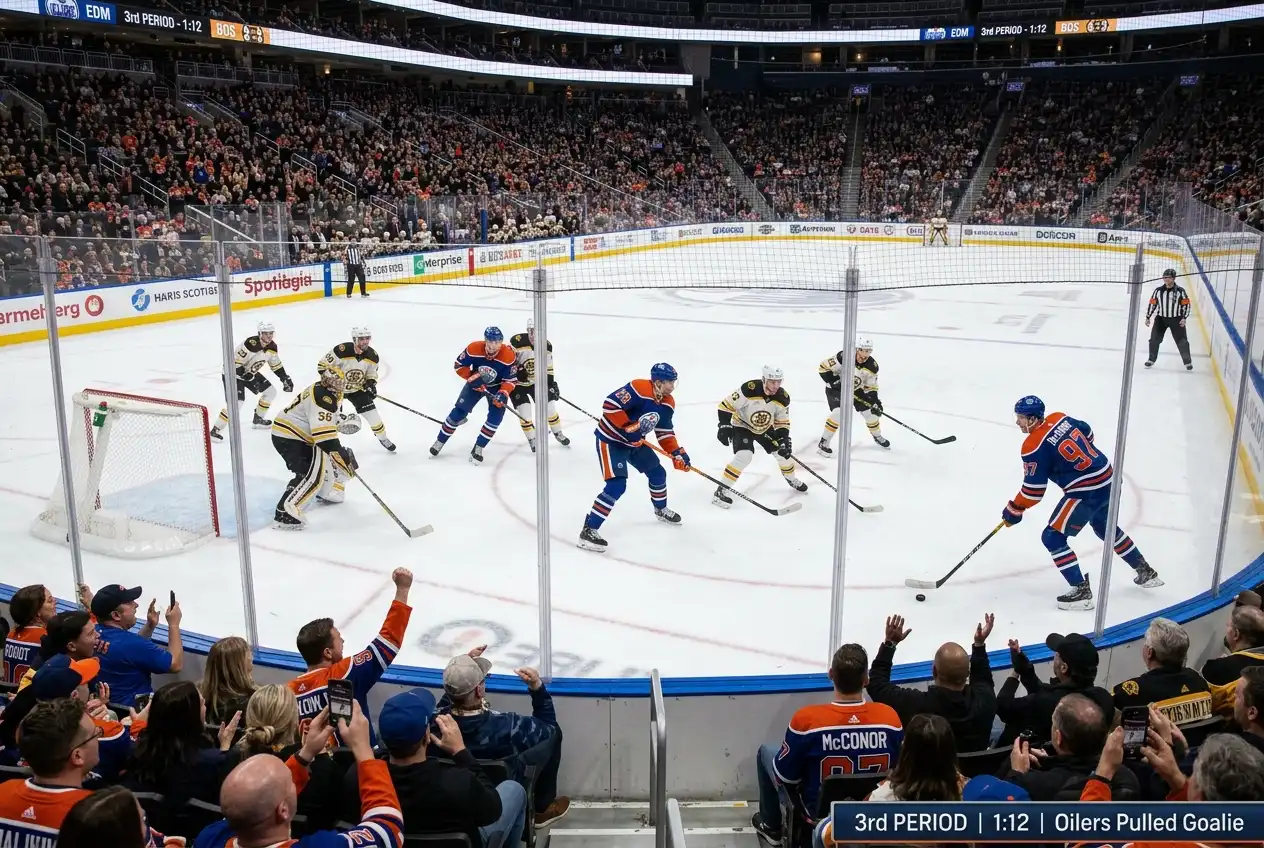
Third period over markets are routinely my favourite period bet. The line is usually 1.5, and the over price runs 1.80 to 2.10 depending on the state of the game at intermission. The over hits roughly 45 to 50% of the time in matchups where one side is trailing by one or two goals heading into the period, because the trailing side starts attacking and the leading side eventually pulls the goalie if the gap is one goal late.
The empty-net effect is the part casual punters underestimate. An empty net produces a goal roughly 30% of the time inside the last 90 seconds when a team trails by one. If the third period total is 1.5 and the game is 2-2 with five minutes to go, the over is almost a coin flip just from the late-game structure. UK books price for this, but the price doesn’t always fully absorb the lean when a goalie has historically been pulled aggressively by the trailing coach.
Connor McDavid recorded 18 separate 22+ mph speed bursts in the early stretch of the 2025-26 season according to NHL EDGE tracking, and that kind of late-game speed differential shows up most in third-period zone time. Tired teams concede speed to fresh stars. If McDavid’s team is trailing in the third, the over on the period total is almost always defensible.
Period totals: where the price moves cleanest
Period totals isolate the goal count of a specific period. Lines are usually 1.5 for the first and third and 2.0 for the second. The over and under are typically priced near each other — 1.85 / 1.95 or similar — with small biases based on matchup specifics.

The reason period totals are the cleanest market in this category: they don’t depend on which team scores. Whether the home or visitor wins the period doesn’t matter; only the combined goal count does. That makes the market less sensitive to specific information about one team and more sensitive to the joint pace of both. If you have a view on game flow without a view on outcome, period totals are the right instrument.
When period markets beat the full-game equivalent
The full-match total is the headline market, but it carries the variance of three periods plus potentially overtime. A 6.5 total can land on five totally different score lines. A 1.5 period total only depends on one period’s worth of variance. If your read is “this period will be high-event”, the period bet expresses that more cleanly than backing the full-game over and hoping the variance averages out.

As Brian Jennings put it about the league’s data depth: “By placing league-grade analytics in the hands of every fan, we’re deepening the connection between the real NHL and Chel.” The point holds for period betting too. The depth of the data behind period markets is what makes them pricable in the first place. If you want a directional bet on a specific twenty minutes, the data exists to support that read.
The companion live market
Period bets live alongside in-play markets, and the two products feed each other. The deeper view of how live odds refresh and where the timing edges sit is unpacked in our live hockey betting guide.
Articles
Prepared by the hockeybetonline.com editorial staff.
