


Why mobile is the default surface for NHL betting in the UK — and what to demand from it
I do almost all of my pre-game NHL research on a desktop and almost none of my actual betting there. The reason is the time zone: by the time NHL puck drops hit at midnight or 1am BST, I’m on the sofa or in bed, and the device in my hand is a phone. That’s the reality for most UK NHL bettors. Mobile isn’t a secondary surface for hockey betting in the UK — it’s the primary one for in-play markets and the only realistic surface for late-arriving team news. The app, more than the desktop site, determines whether you actually get the bet on at the price you wanted.
Hockey betting apps UK refers to the mobile applications that UKGC-licensed bookmakers provide for placing NHL and EIHL bets from smartphones and tablets. Every tier-1 UK book offers a dedicated app for iOS and Android, with feature sets that vary considerably across operators. The structural questions for any UK NHL bettor: which features are essential, which are merely nice, and which apps deliver the essentials reliably under the operational stress of late-night live betting?
The NHL launched an international streaming partnership with DAZN in July 2025, with NHL.TV available in nearly 200 countries including the UK. The streaming integration changes the mobile experience meaningfully — for the first time, UK punters can watch and bet simultaneously on a single device. That convergence has pushed UK book apps to compete on live betting feature parity in ways that wouldn’t have been a priority five years ago.
Feature checklist: what matters on the app
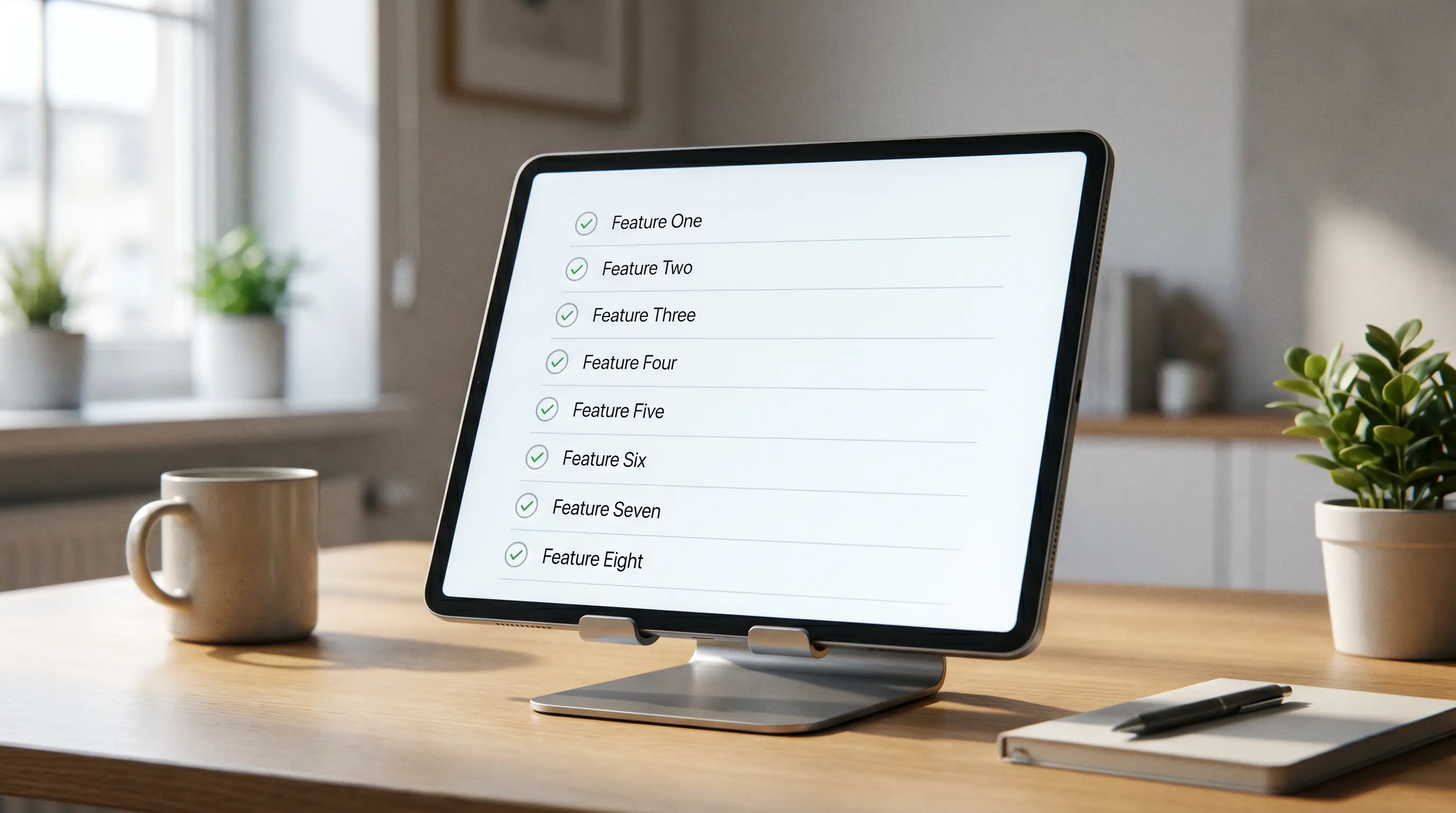
Eight features define a high-quality NHL betting app from a UK punter’s perspective. The presence or absence of these features separates serious operators from operators who treat mobile as an afterthought.
Live odds refresh latency. The time between an event on ice and the live market reflecting that event in the app’s pricing. Tier-1 apps refresh live odds within 2 to 5 seconds of a play event; weaker apps can lag 10 to 15 seconds. The latency matters because in-play moneyline and total markets move sharply after goals, and a slow app shows you stale prices that may not still be available when you tap.
Push notifications. Configurable alerts for goalie confirmations, lineup changes, scratches and goal events on games you have open bets on or have flagged as interesting. Goalie confirmations land roughly an hour before puck drop and materially change moneyline pricing; an app that pushes those updates lets you react before the line moves.
One-tap betslip access. The flow from “I want this bet” to “the bet is placed” should be 2 to 3 taps maximum. Apps that bury the betslip behind multiple navigation layers create friction that costs live-betting EV.
Open bets visibility. The current state of your open positions — including cash-out values, current implied probabilities and time to settlement — should be accessible in one or two taps from the home screen. Apps that hide this view discourage the cash-out and partial-cash-out decisions that some scenarios genuinely require.
Search and filter. NHL coverage runs to roughly 1,100 regular-season games per season across 32 teams. Finding a specific team’s market quickly matters. Apps with strong team-search and game-day filter functions save real time across a season.
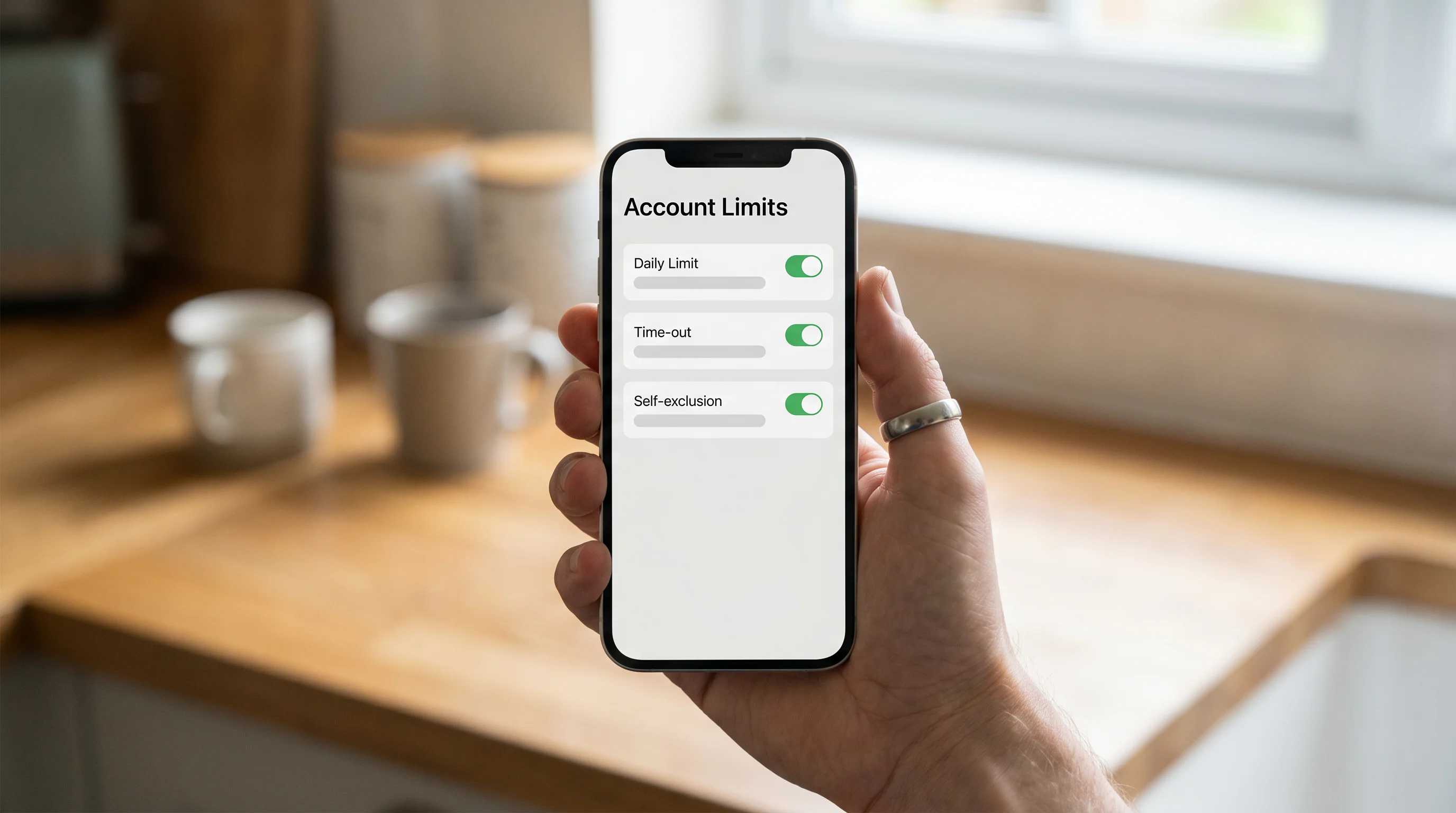
Limit and deposit controls accessible. UKGC safer-gambling requirements mean deposit caps, time-outs and loss limits must be configurable from inside the app. Strong implementations make these tools one or two taps from the account menu. Weak implementations bury them behind multiple confirmation steps.
Bet history with export. The ability to see your full bet history, ideally with CSV export for tracking. Most UK apps provide history in-app but few support export — the apps that do are structurally better for any punter who keeps long-term records.
Streaming integration. Whether the app includes live streams of NHL games (where the operator has streaming rights). Premier Sports Online offers three NHL streaming pricing tiers — £11.99 per month on the annual pay-as-you-go plan, £120 per year on the annual prepaid plan, and £16.99 per month on the flexible monthly plan — and the dedicated streaming option remains the most reliable visual access to most NHL games. Book apps that integrate streaming directly (where rights allow) deliver the watch-and-bet convergence; book apps that don’t integrate streaming push the user to a second device or browser tab.
Notification strategy: which alerts to enable
Push notifications, configured correctly, deliver real EV. Configured badly, they’re noise that you’ll silence within a week. The right setup is targeted.
Goalie confirmation alerts are the single highest-value notification for NHL betting. These land 60 to 90 minutes before puck drop, before live betting opens. The starter information changes the moneyline implied probability by 5 to 10 cents on average — sometimes more if the confirmed goalie has a materially different statistical profile from the expected starter. Apps that push goalie confirmations let you adjust positions before the market fully moves.
Goal event alerts for open bets are second priority. When a goal is scored in a game where you have a moneyline or total position, the alert lets you assess cash-out options without needing to actively monitor the game. Useful, but secondary to the goalie news.
Lineup change alerts (scratches, healthy scratches, late additions) land throughout the day on game day. These are useful for serious props bettors — a scratched first-line winger changes the goal distribution for the rest of the lineup and shifts the anytime goalscorer market on multiple players.
Promotion alerts are noise. Disable them unless you specifically want to be told about boost offers. The default-on setting on most apps is operator-friendly, not punter-friendly.
Live odds alerts (sharp line moves) are available on some apps. Useful in narrow cases, mostly noise. Configure for your most-bet teams only if you enable them at all.
Mobile vs desktop: which is better for what
Mobile and desktop serve different stages of the betting workflow, and conflating them is the root cause of most UK NHL bettors’ workflow friction.

Desktop is structurally better for pre-game research. Multiple browser tabs for stats research, NHL EDGE data lookup, line shopping across operators, and bet construction with full visibility of the market tree. Pre-game positions placed at 10am or 11am UK time, hours before puck drop, are best done on desktop where the research environment supports analysis.
Mobile is structurally better for in-play action. The lower-stress, smaller-screen interface forces simpler decisions — moneyline, total, single-prop positions rather than complex multi-leg constructions. The simplicity is a feature for live betting, where decision time is short and information density needs to be high but selective.
Mobile is the only viable surface for late-arriving team news. The morning skate reports at 11am Eastern (4pm UK time) sometimes carry goalie changes that arrive after most UK desktop sessions have ended. Mobile is where you read them and act on them.
Streaming integration tilts the balance further toward mobile for in-play. Watch the game on the app while betting on the app — that workflow is mobile-native. Desktop streaming is workable but the dual-window setup is friction the mobile experience doesn’t have.
Cash-out on the app: latency considerations
Cash-out values on mobile are calculated by the same operator algorithms that drive desktop cash-out, but the mobile experience adds a latency layer. The price you see on the app might be 1 to 3 seconds old, and high-volatility in-play moments — immediately after a goal, during overtime — can produce situations where the price you tap is no longer available by the time the bet system processes the request.
The implication: cash-out execution in high-volatility moments can fail, with the app showing a “price changed, please confirm new value” prompt. The new value is usually a few cents worse than the value you tapped. Whether you accept depends on the original cash-out logic — if you were closing the position because the underlying view had changed, the few-cent difference is acceptable. If you were closing the position based on a specific target value, the difference may not be acceptable.
Safer gambling tools: what should be in the app
UKGC requirements mean every UK book’s app must include deposit limits, time-outs, self-exclusion and loss limits accessible from inside the app. The implementation quality varies: tier-1 apps put these tools 2 to 3 taps from the home screen with clear labelling; weaker apps bury them behind account menus that discourage casual use of the tools. The placement signals how seriously the operator takes the regulatory obligation.
The time-zone reality that shapes the app workflow
The reason mobile dominates NHL betting in the UK is the structural mismatch between NHL scheduling and UK clock time. Eastern Conference puck drops land at midnight BST; Western Conference puck drops at 3am or 4am BST. The full breakdown of how to structure pre-game positions, what’s actually available during live UK windows, and where the broadcast pairing with Premier Sports, DAZN and ITVX sits in the workflow is in our UK time zone NHL betting analysis.

Articles
Prepared by the hockeybetonline.com editorial staff.
